


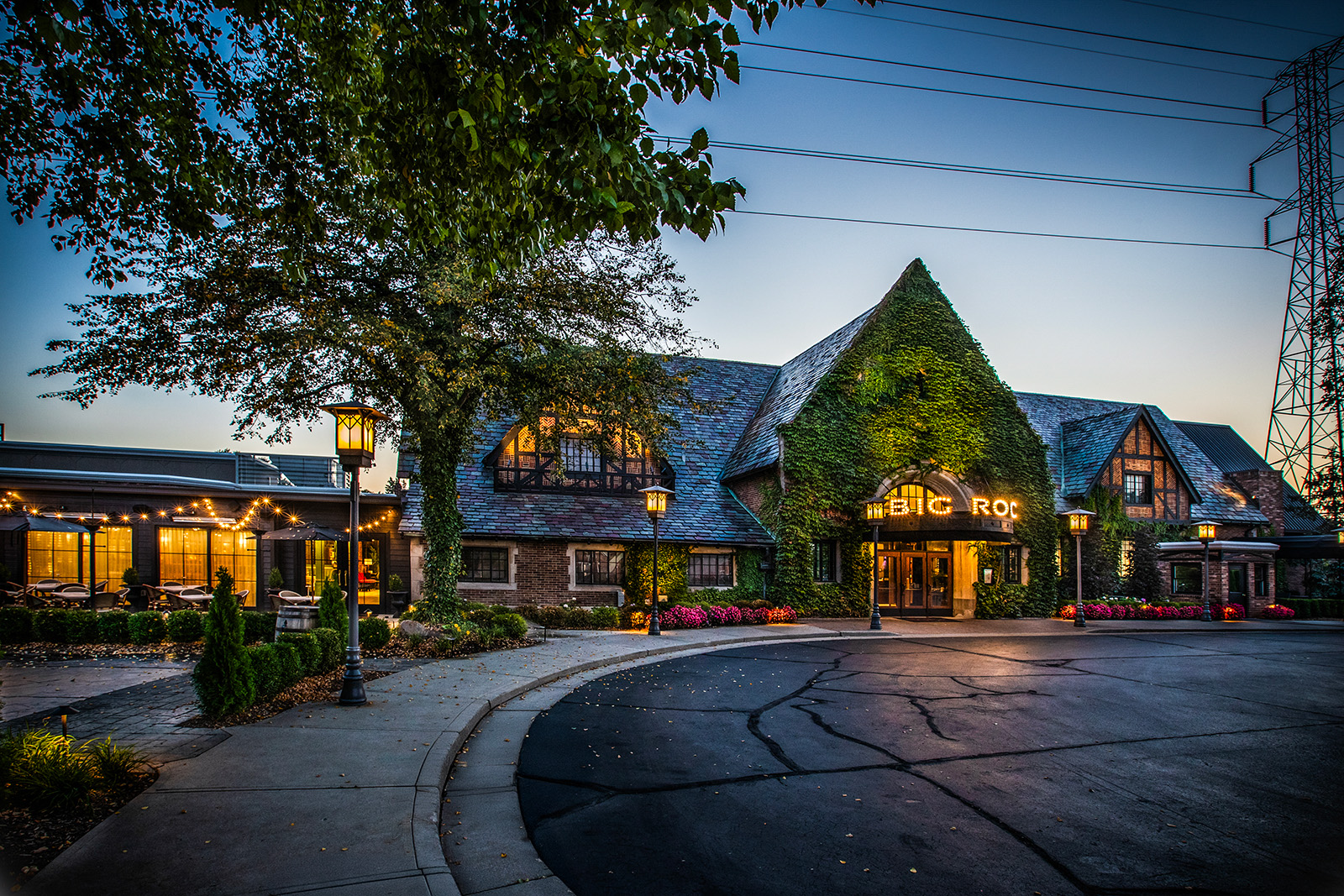
Big Rock Italian Chophouse in Birmingham, Michigan, occupies a restored 1930s railroad station originally built for the Grand Trunk Railway. The project breathes new life into the historic structure while honoring its past, using light as a subtle storytelling tool.
“Once a point of arrival and departure, the building now serves as a destination, yet its identity as a place of gathering remains central to the design vision”, says The Lighting Practice Associate Brian Wiley.
The lighting concept was shaped by this layered history. Rather than treating the train station as a backdrop, the design team embraced its architectural character and cultural memory, using light to interpret the romance and refinement of early 20th-century rail travel.
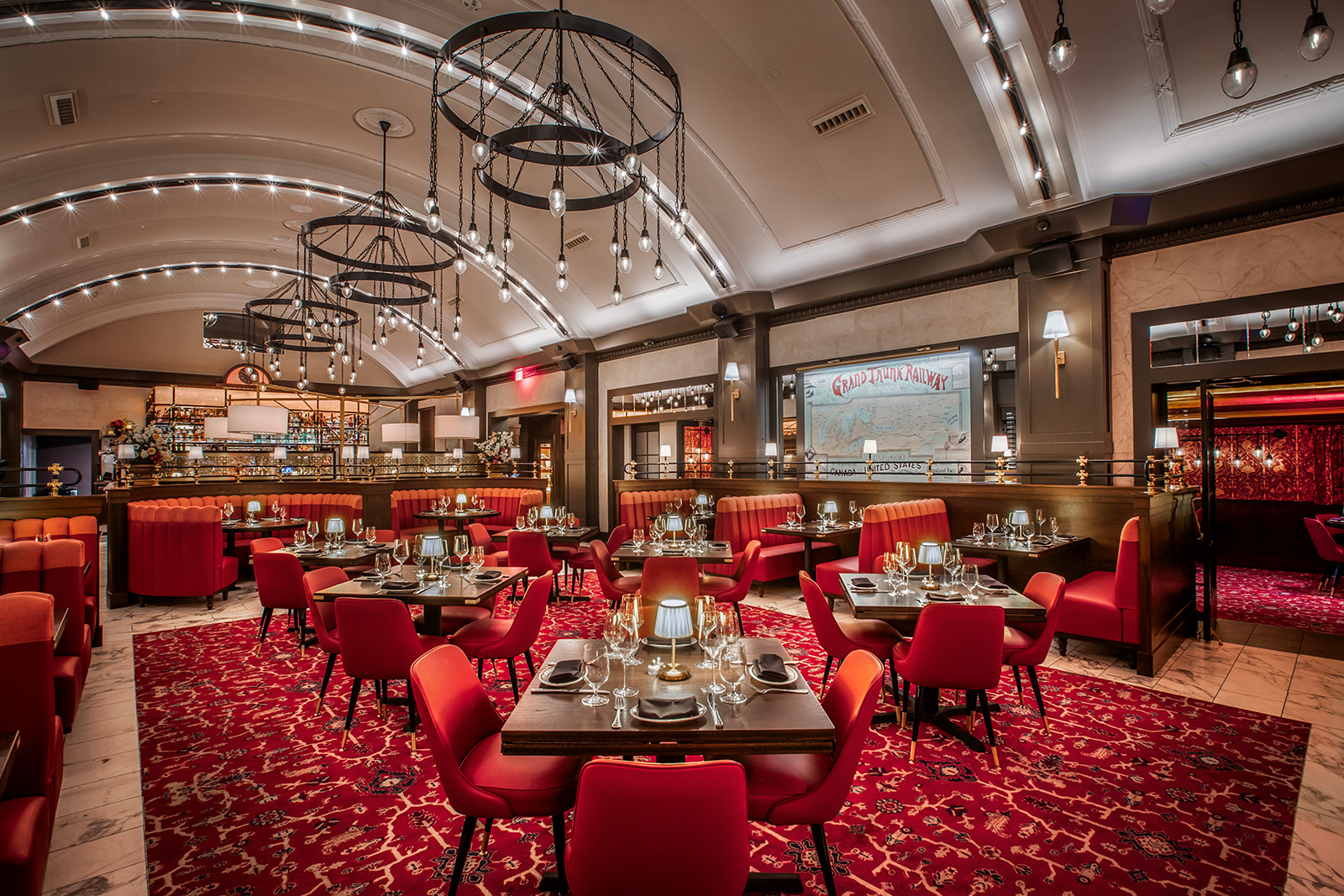
“In the main dining room, LED marquee lighting integrated within the barrel-vaulted ceiling references historic station platforms and railcar forms,” says Brian.
Inspired by the rhythm and glow of early station marquees, closely spaced, low-wattage lamps provide balanced illumination while maintaining an intimate atmosphere. The goal was not replication, but reinterpretation, capturing the elegance associated with historic passenger stations and translating it into a contemporary dining experience.
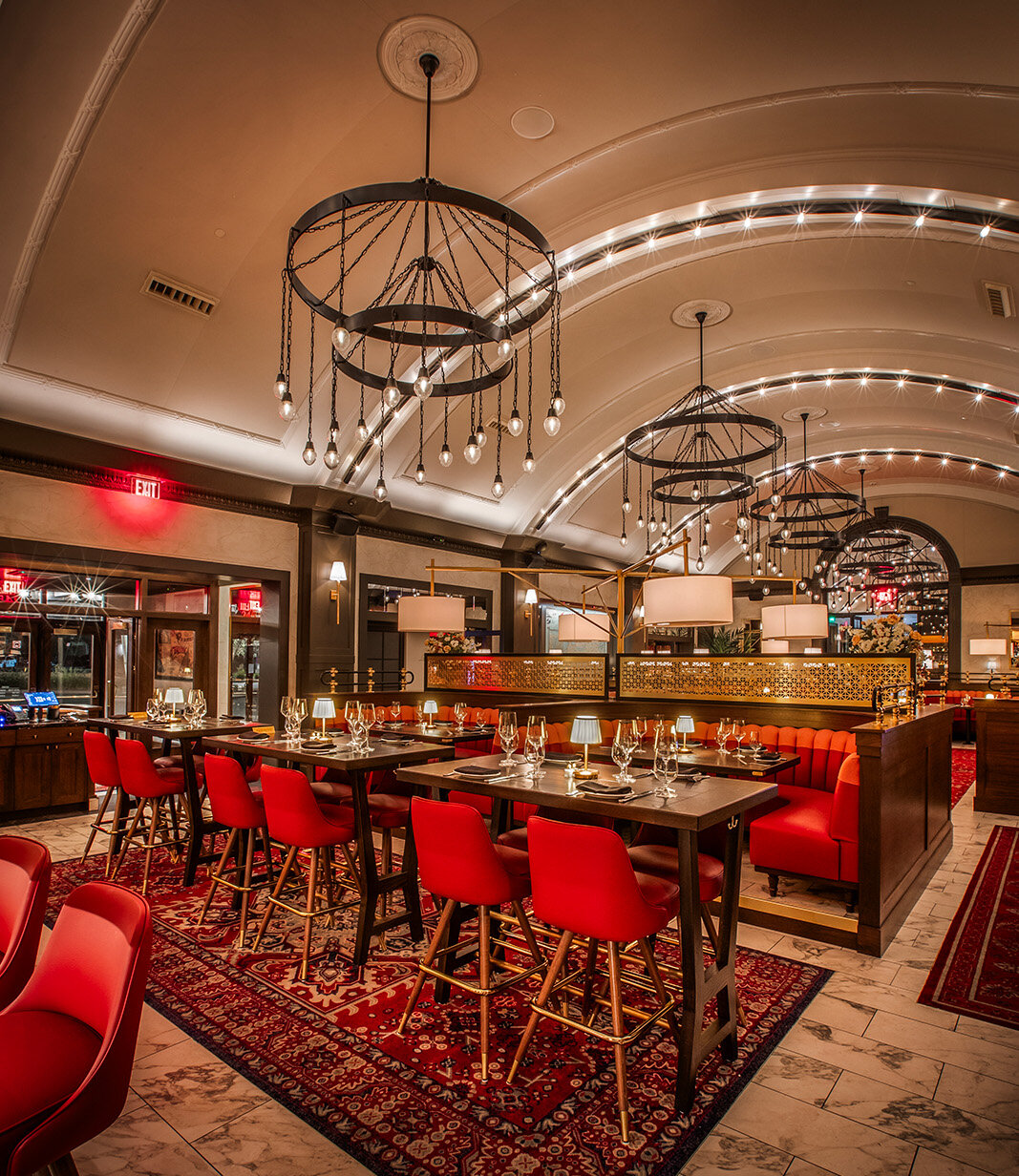
“The LED decorative lighting takes the main stage, while the architectural lighting is hidden providing a lot of the main useable illumination of the space and illuminating the architectural elements,” explains lighting designer Amanda Constantine.
Fixtures were custom designed and carefully embedded within the architecture, preserving the integrity of the restored ceiling.
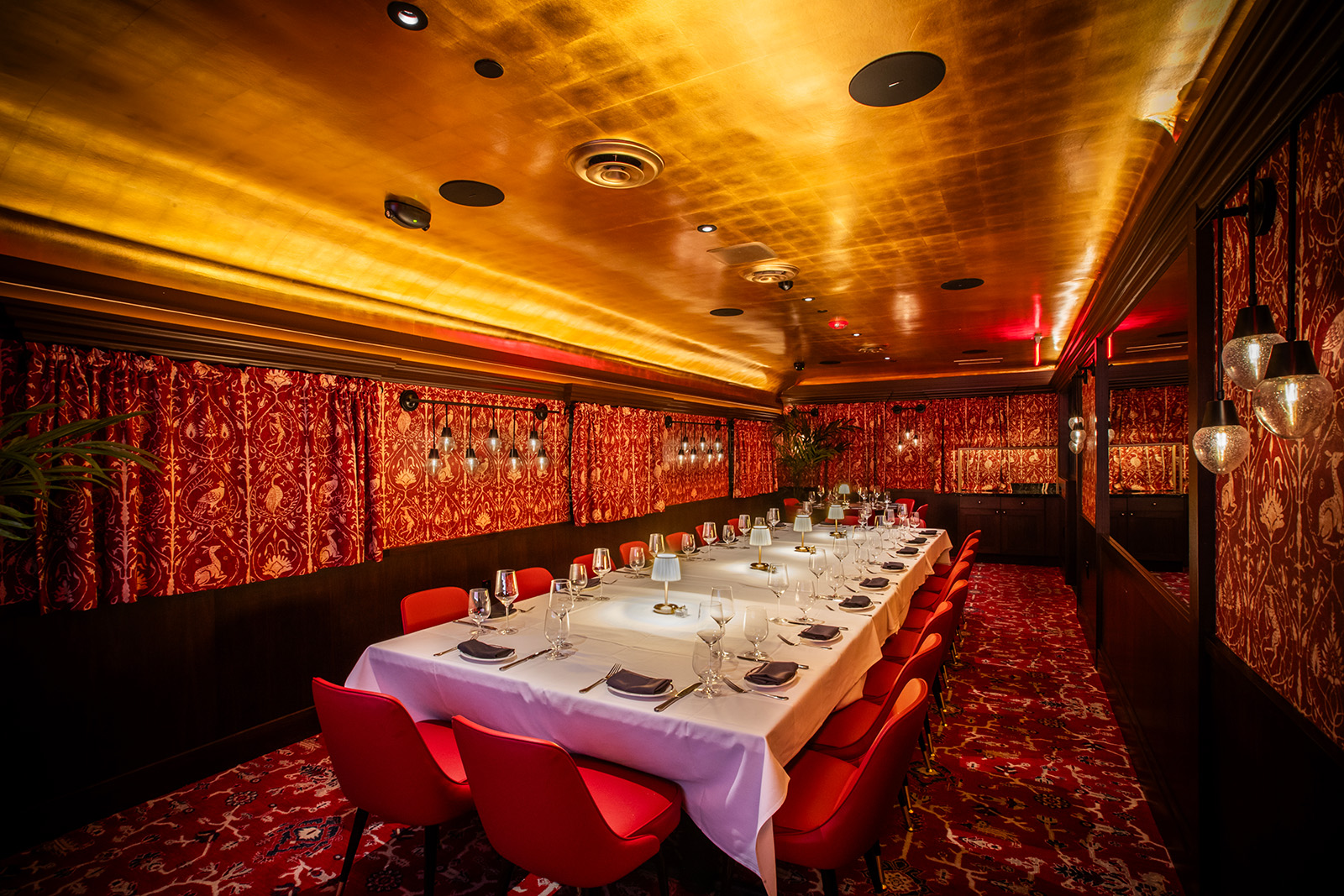
The private dining room draws directly from the typology of a vintage train boxcar. Cove lighting uplifts a gold ceiling plane, creating depth and warmth reminiscent of polished rail interiors. Decorative sconces reinforce the historic motif, subtly echoing early 20th-century fixtures without overwhelming the space. Drapery and structural rhythms throughout the restaurant further reference the refined elegance of first-class passenger cars, recalling the tailored interiors of luxury Pullman travel.
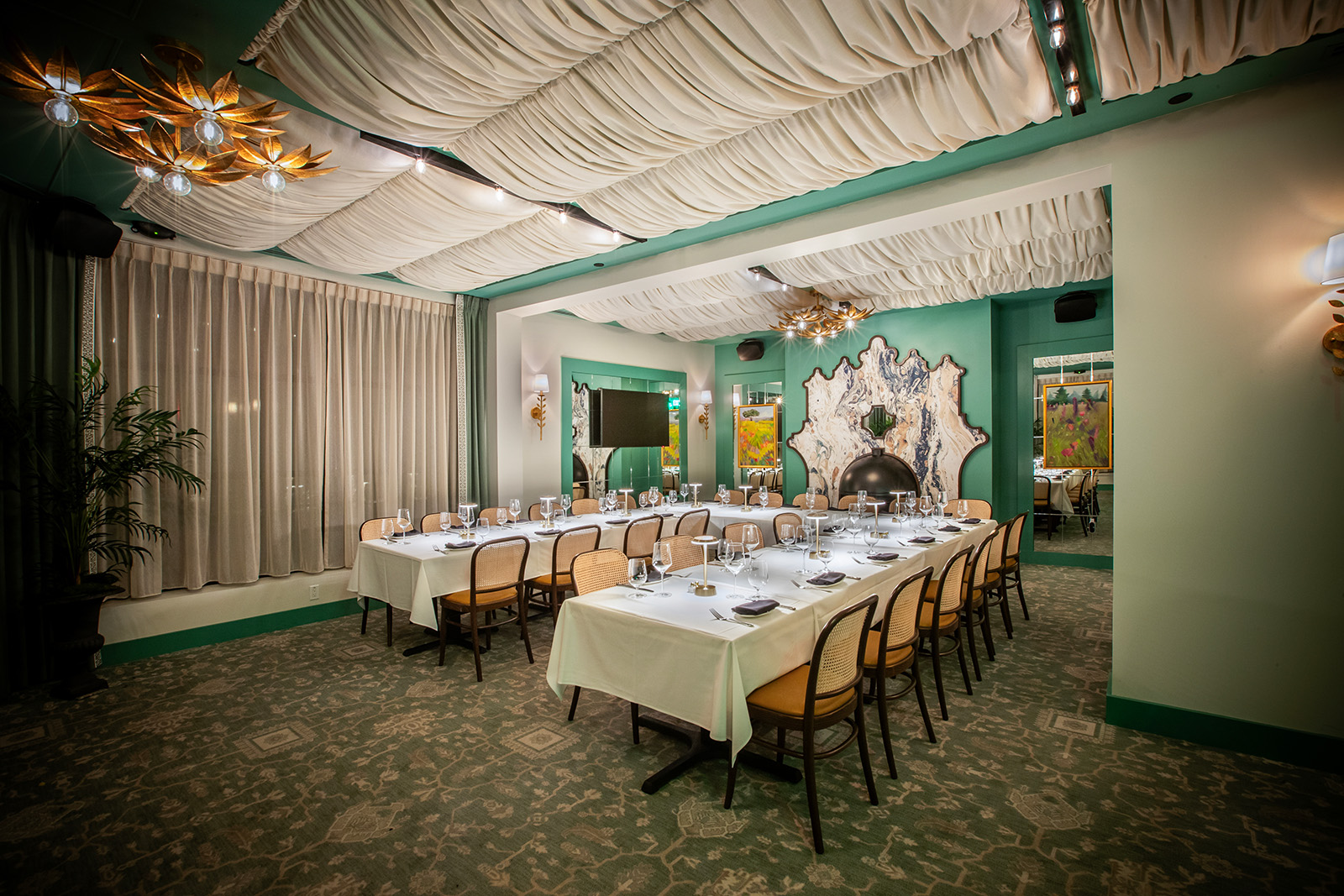
“Decorative lighting elements that are of similar style to train station and rail car lighting from the early 20th century provide visual interest and tie back to the buildings roots,” says Amanda.
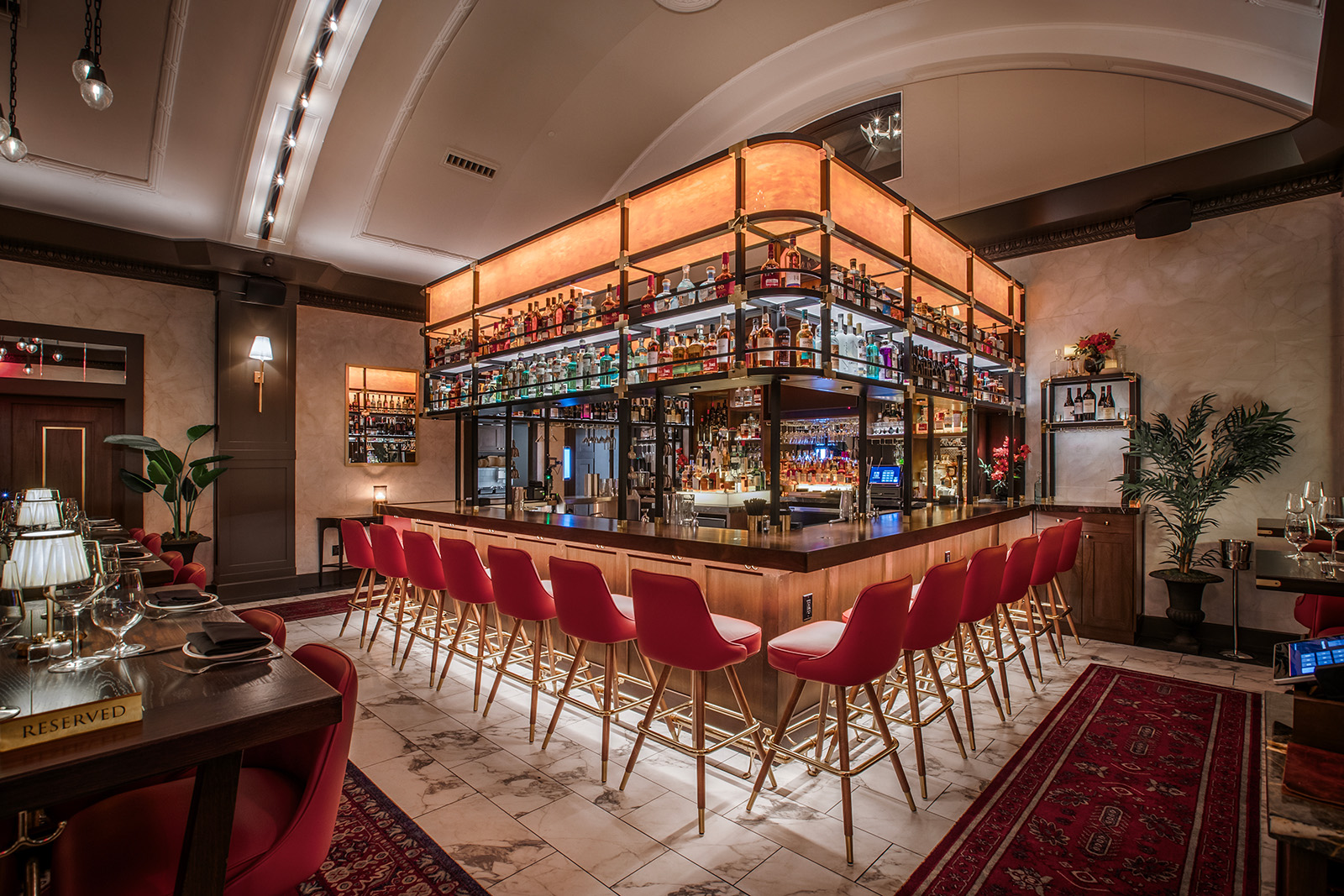
At the main bar, 2700K high color-rendering lighting ensures food and beverage presentation remains vibrant and true, while 2200K–2400K accent lighting introduces a softer, nostalgic warmth.
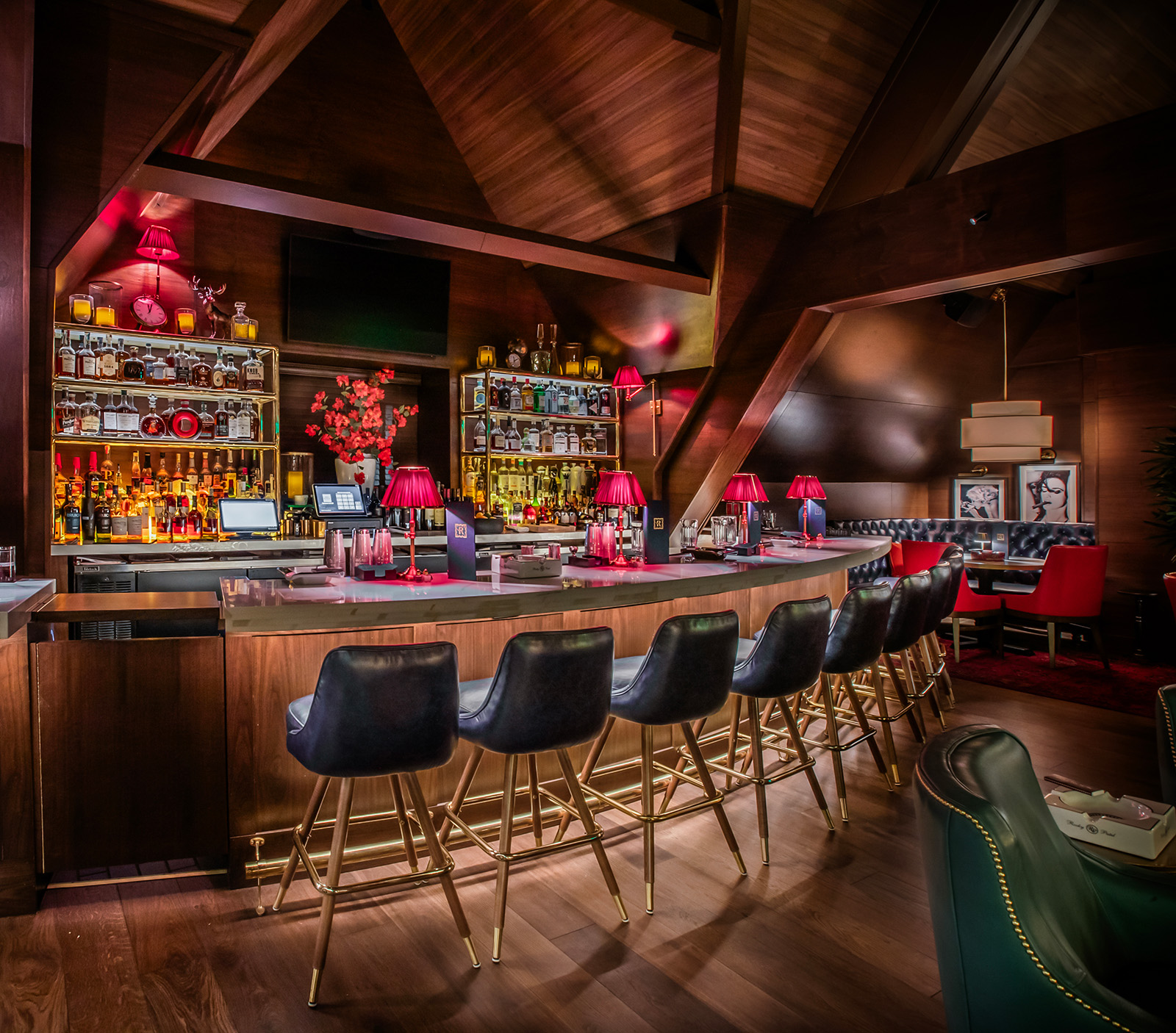
In the cigar lounge, lighting is intentionally positioned below eye level, enhancing depth and creating a relaxed, enveloping ambiance, separate yet visually connected to the larger restaurant through a cohesive layered lighting strategy.
Lighting controls play a critical role in adapting the historic space for modern use. Scene presets allow careful adjustment of intensity, warmth, and contrast, supporting the evolution from daytime dining to evening ambiance while minimizing energy consumption.

Outdoors, festoon lighting extends the narrative into the streetscape. Soft, warm light spills outward, echoing the glow of historic station marquees and transforming the building into a welcoming beacon.
Just as trains once brought people together under this roof, Big Rock Italian Chophouse now serves as a contemporary gathering place, honoring the past while anchoring the building firmly in Birmingham’s present.