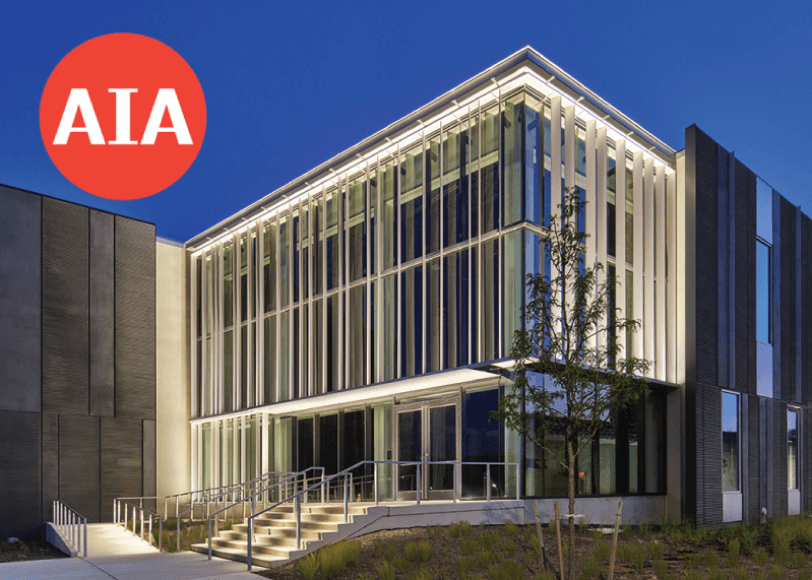



Design is more than illumination, it’s about connection. The Lighting Practice’s (TLP) holistic approach to lighting considers not only the architecture but also the people, communities, and ecosystems that bring spaces to life. Community-centered design is rooted in inclusivity and understanding, placing people and the environment at the heart of every design decision. By doing so, lighting solutions are created that are not only beautiful but also meaningful, responsible, and lasting.
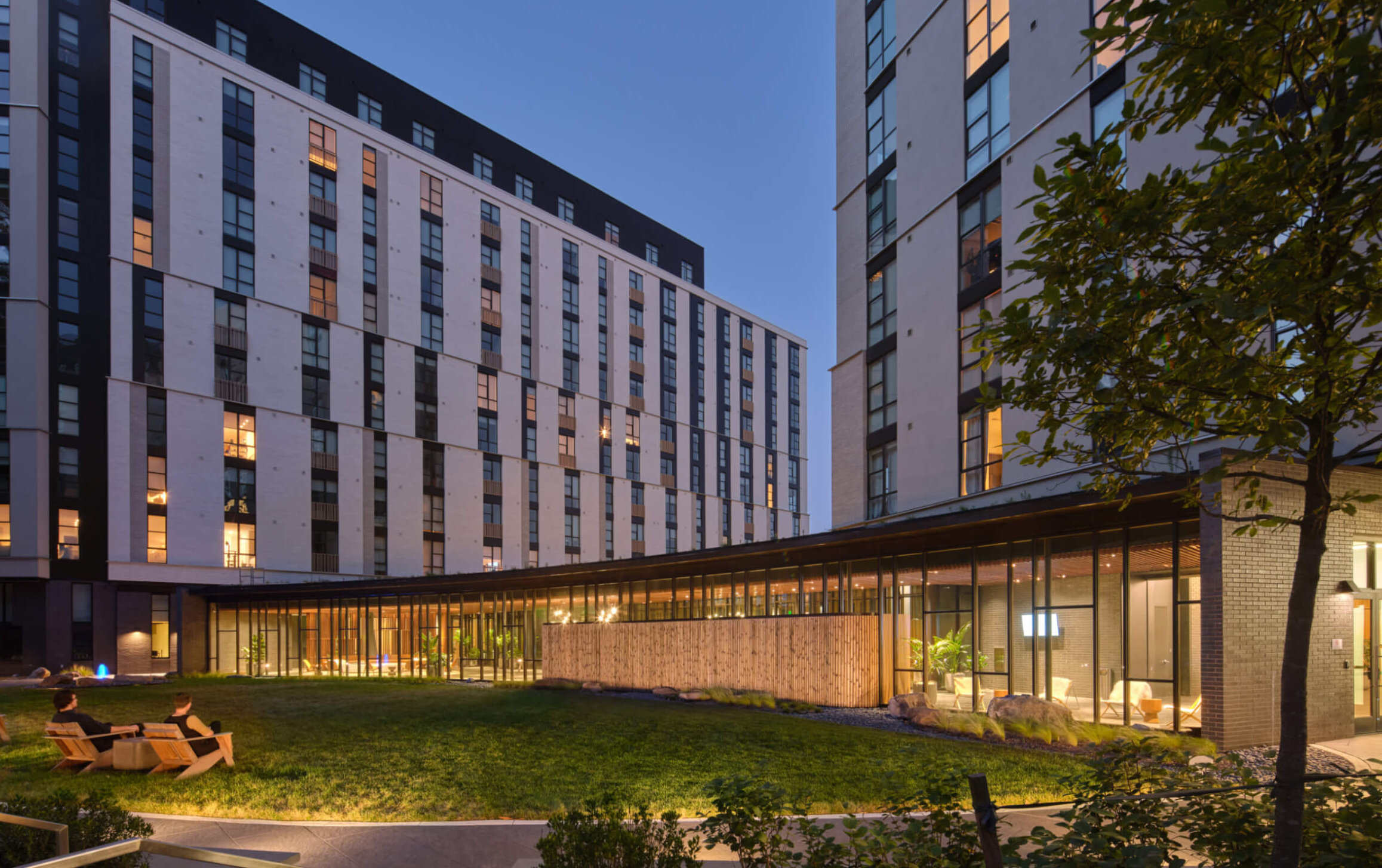
The lighting design should consider community connection, neighborhood identity, wildlife impact, and roadway and pedestrian experience. Together, these considerations guide the design process toward outcomes that enhance lives and strengthen the bond between people and place.
Community Connection and Input
Every project begins with the people who will experience it, the residents, workers, and visitors. Thoughtful design responds to the needs of these groups, providing a space that becomes a source of pride and belonging. This can include collaboration with local artists, use of regional materials, and support for local manufacturers. It can also mean designing flexible public spaces that invite people to gather, celebrate, and connect, often referred to as third places.
The design concepts for The Square at Bridge and Main in Phoenixville, Pennsylvania, are deeply rooted in the town’s identity and values. Community input and local voting played a vital role in shaping the final design, ensuring it responded to residents’ needs and aspirations. Celebrating Phoenixville’s industrial heritage while creating a welcoming public gathering place, the project embodies the community spirit it was built to serve.

Renderings by Ground Reconsidered
Neighborhood Identity
Lighting plays a powerful role in expressing the character of a town or city. Whether illuminating iconic landmarks or subtly enhancing neighborhood spaces, lighting design contributes to the visual language and emotional tone of urban life.
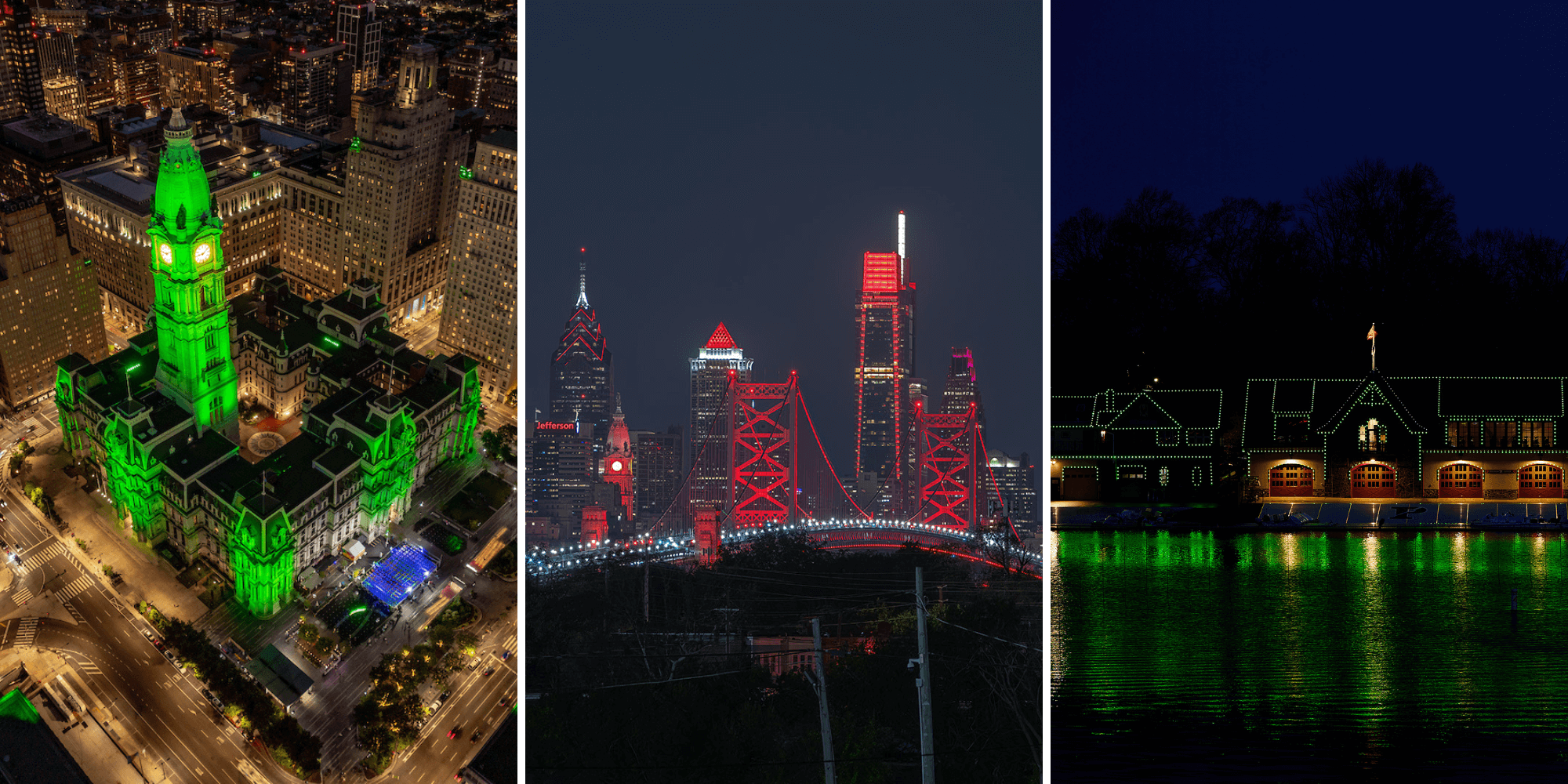
Projects like Philadelphia City Hall, the Benjamin Franklin Bridge, and Boathouse Row demonstrate how lighting can celebrate Philadelphia’s local identity, from honoring sports teams and civic pride to highlighting architectural history. When design aligns with a city’s personality and culture, it strengthens the connection between people and place, ensuring that each project feels authentically rooted in its surroundings.
Wildlife Impact
Community-centered design extends beyond people, it includes the ecosystems that coexist with the built environment. Thoughtful lighting design helps protect wildlife and preserve natural rhythms.
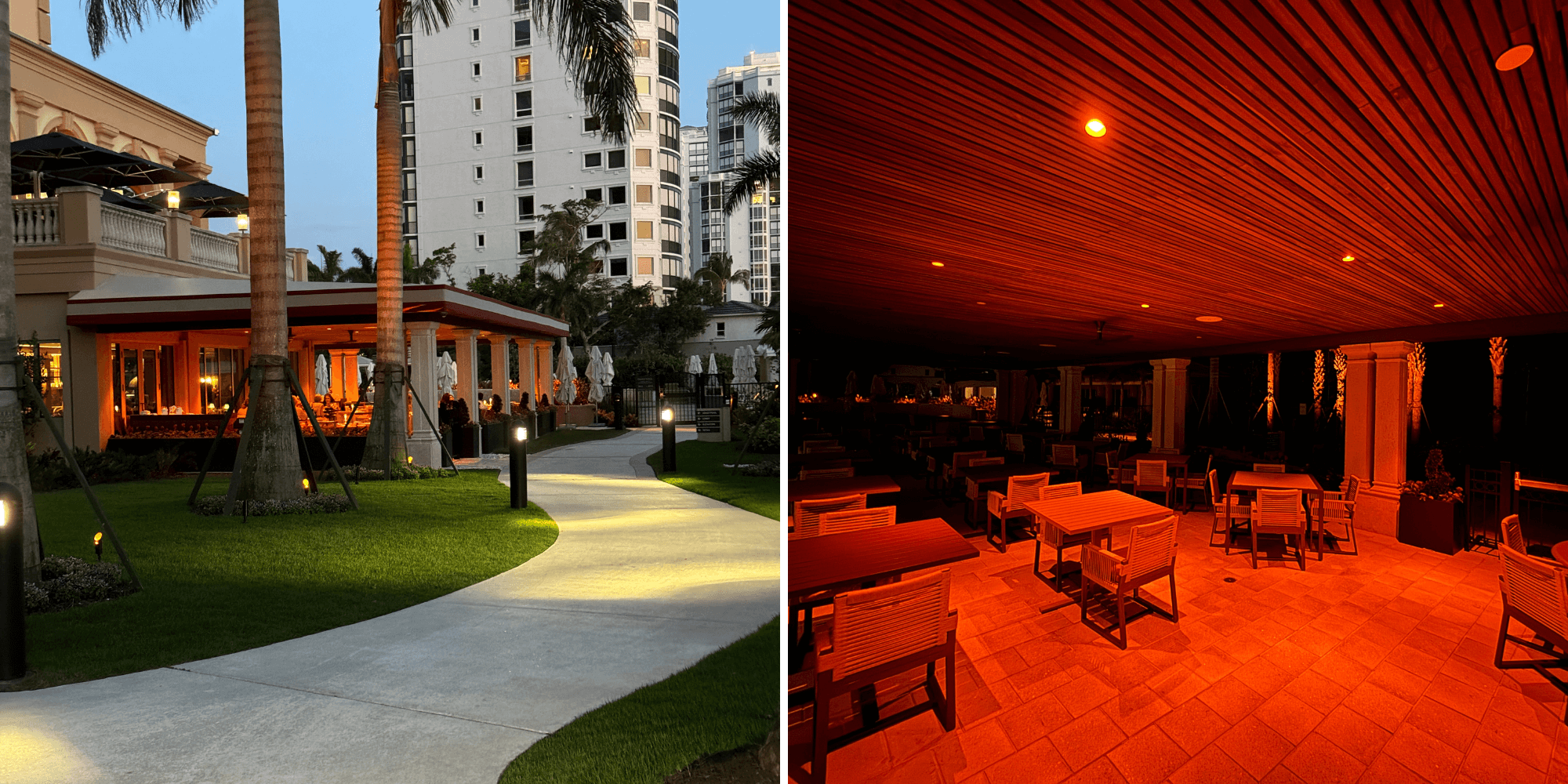
For coastal or park projects, this might mean using lighting strategies that minimize disruption to animal habitats, such as timing façade lighting to accommodate bird migration patterns. At the Ritz-Carlton Naples Nolita, along Florida’s Gulf Coast, special lighting considerations were made to protect nesting sea turtles, in accordance with Florida Fish and Wildlife Conservation Commission (FWC) exterior lighting plan requirements. Lighting, greater than 560 nm and absent of wavelengths below 560 nm, was used to reduce disorientation and preserve the natural environment, ensuring the design harmoniously coexists with nature.
Roadway and Pedestrian Experience
Lighting plays a vital role in how people navigate and feel within a space, from drivers on the road to pedestrians and cyclists sharing the same environment. A community-centered approach delivers a design that addresses each group’s need for safety, comfort, and accessibility. This means carefully considering glare, brightness, and light spill to maintain visibility without overwhelming the surroundings. Well-designed lighting not only improves safety but also enhances the perception of comfort and inclusivity in public spaces.
The redevelopment of the Galleria Office Towers in Dallas, Texas, transformed the vehicle-arrival experience with sculptural lighting, bold new canopies and illuminated drop-off zones, while simultaneously enhancing pedestrian connectivity through lit pathways, trees, and seating areas. Creating a comfortable environment that prioritizes visibility and connection across modes of travel.

Looking Ahead
The Lighting Practice continues to explore innovative ways to create environments that are visually cohesive, accessible to all, and welcoming day or night, because design that works for everyone is design that truly connects.
At its core, community-centered design is about empathy, and understanding how lighting shapes experiences for every living being it touches. By considering the community, identity, environment, and user experience, TLP creates designs that do more than illuminate spaces, they illuminate connections.