




Designing lighting for historic architecture requires a distinct level of sensitivity. Every surface carries age, craftsmanship, and cultural memory. Unlike new construction, where systems can be seamlessly integrated from the outset, historic projects demand restraint, ingenuity, and close collaboration with architects, preservationists, and owners. At The Lighting Practice (TLP), these constraints are not viewed as limitations but as opportunities to elevate the architecture while preserving its integrity.
“Designing lighting for a historic space brings in additional considerations that a new construction project doesn’t contend with. One of the major differences is that all the lighting and wiring needs to fit into an existing context, instead of having the flexibility of collaborating with an architect and together developing a space,” says lighting designer Sarah Lurie.

Whether illuminating a landmark Art Deco building, restoring a historic theater, or adapting a church to house an exhibition, the design process begins with understanding the building’s history. Original materials, preservation guidelines, and the architectural narrative all inform the lighting strategy.
“I think the key to marrying current performance criteria with the historic character has to do with layering performance lighting as discretely and sometimes as simply as possible,” says senior lighting designer Caitlin Bucari.
The goal is not to compete with historic architecture, but to reveal it, using light to highlight craftsmanship, guide visitors through the space, and support contemporary functionality without compromising character.
“Communication between the design team and the contracting team, especially once the work has begun, is key,” says senior lighting designer Chris Hallenbeck.

Nemours Building – Ground Floor: Wilmington, DE – Photography: Devon Banks Photography
One example of this balance can be seen in the renovation of the DuPont Nemours Building, a landmark Art Deco structure constructed between 1939 and 1941 and listed on the historic registry. An important part of Wilmington’s architectural heritage, the building was originally designed as a mixed-use space with apartments, offices, and a theater. The recent ground floor renovation reimagined the building’s three distinct lobbies, residential, commercial, and private, while carefully preserving their historic character.
“The design team came up with a way to integrate the new modern finish palette to blend old and new, and we used lighting to further bridge these materials,” explains Caitlin.
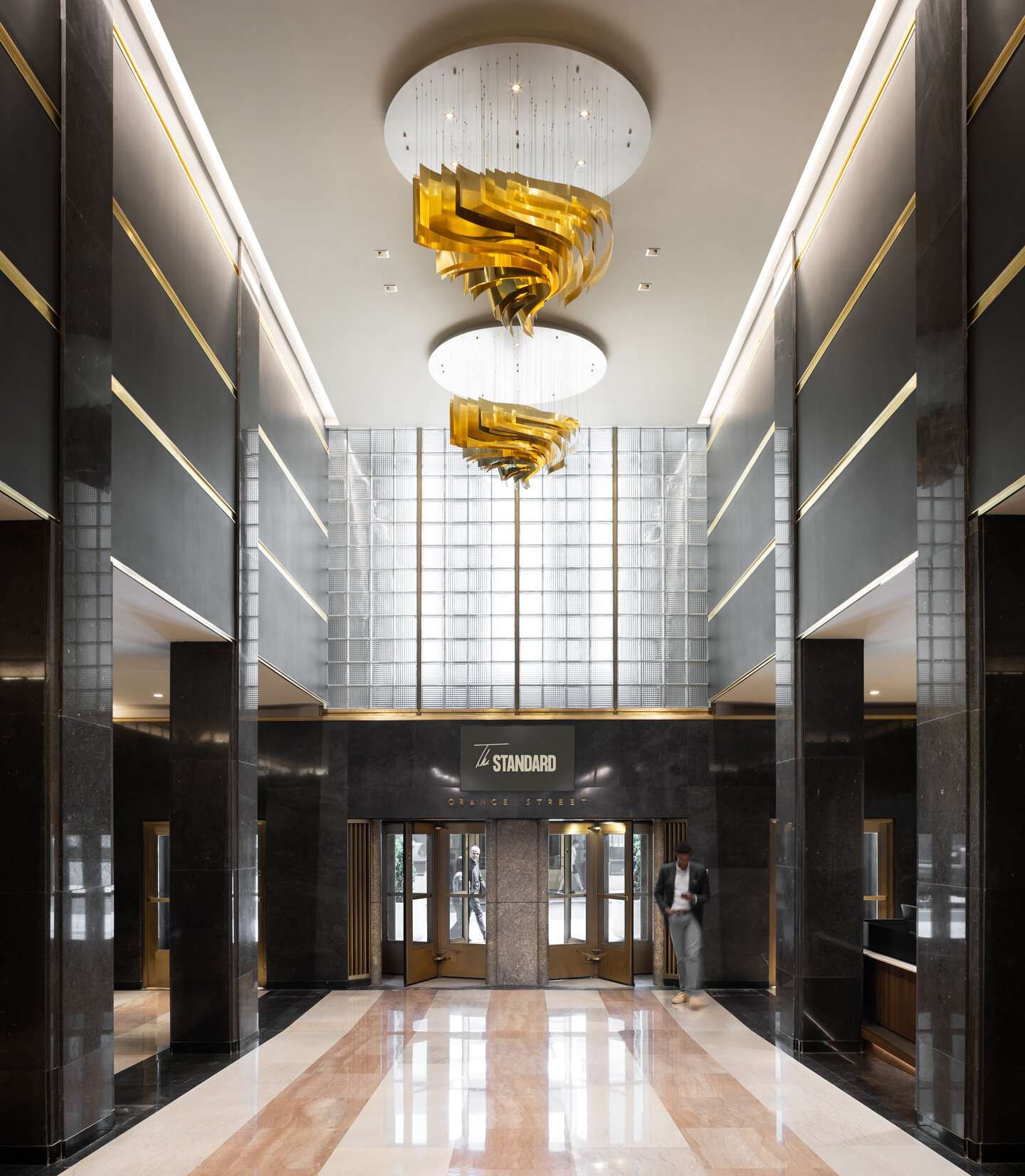
Nemours Building – Ground Floor: Wilmington, DE – Photography: Devon Banks Photography
Working within historic registry requirements, original finishes and architectural details were retained wherever possible. Lighting was used to reinforce the building’s Art Deco language, while introducing subtle contemporary elements. In the commercial lobby, architectural cove lighting establishes a clean, modern framework that emphasizes the building’s geometry while complementing darker finishes inspired by traditional Art Deco interiors.
“The original black stone walls were highly polished, so we focused getting light onto this dark reflective surface while still minimizing source reflections. This same type of detail was used on new materials for that visual continuity,” says Caitlin.
The result is a refreshed entry experience that respects the building’s historic fabric while supporting the needs of today’s residents, tenants, and visitors.
While some historic projects focus on revealing architectural character, others must also accommodate evolving functional needs. This was the case at the Civic Theatre of Allentown, a cultural landmark in Lehigh County that has served the community for nearly a century. As the historic Art Deco theater began to show signs of age, a comprehensive master plan was developed to modernize amenities while restoring the building’s original grandeur.
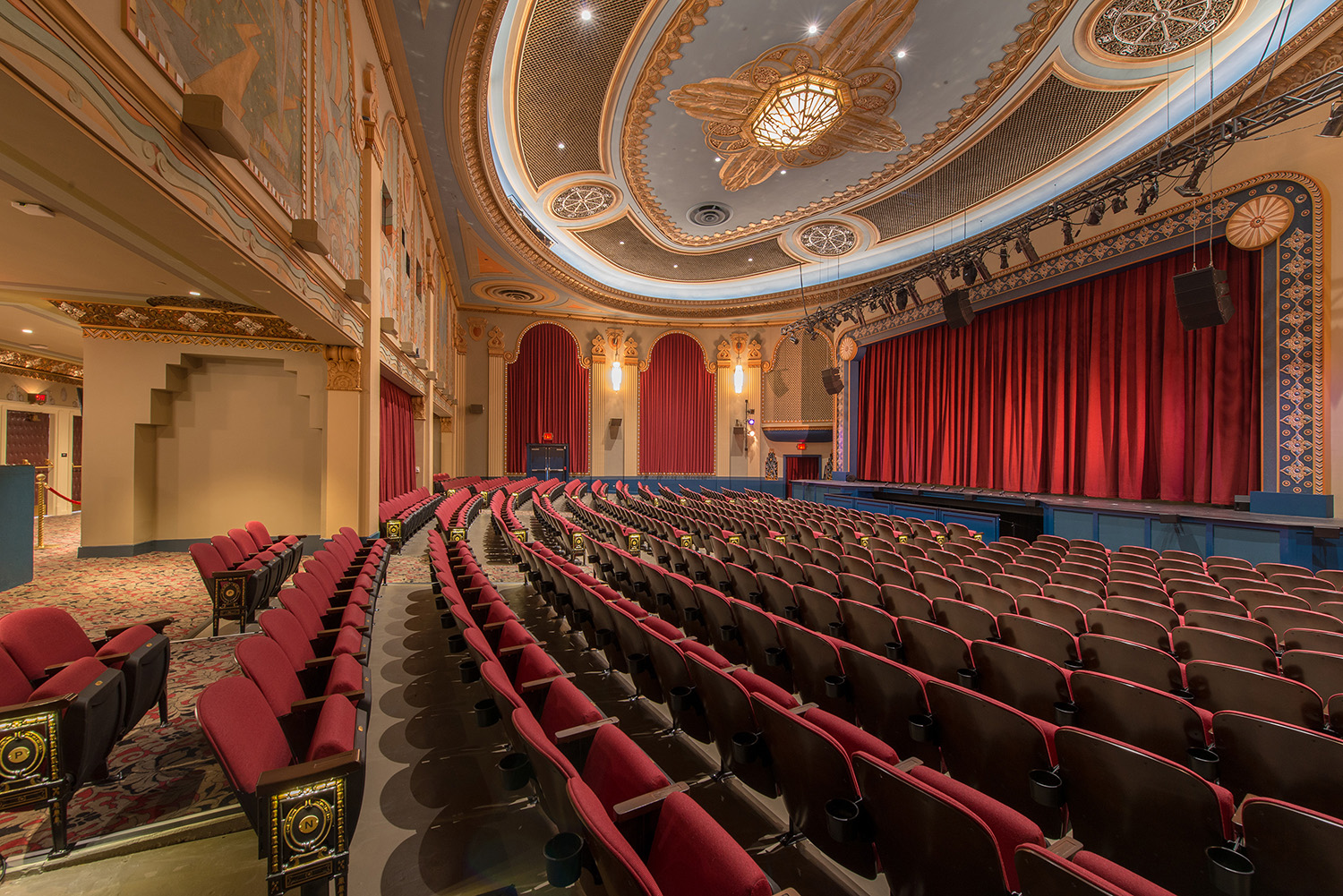
Civic Theatre of Allentown: Allentown, PA – Photography: Aislinn Weidele
“TLP coordinated new in-ceiling lighting with the existing architectural details, incorporating lighting that feels as though it was original to the building. This allows for proper illumination of seating areas so that patrons can comfortably enjoy the space.” says Chris.
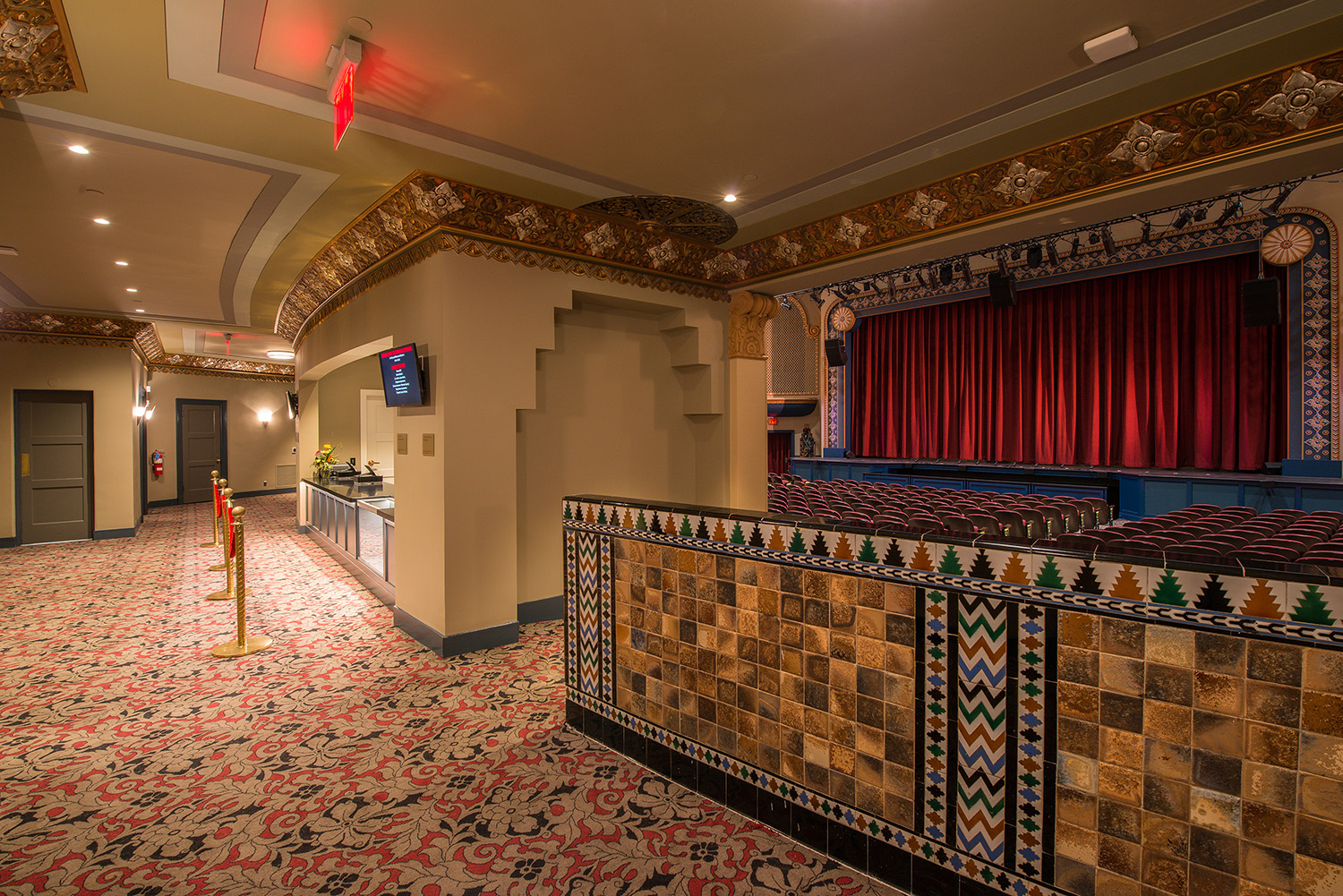
Civic Theatre of Allentown: Allentown, PA – Photography: Aislinn Weidele
The Lighting Practice redesigned the lighting systems throughout the box office, lobby, auditorium, stage, control booths, and concessions areas. Working closely with the client and project team, the lighting designers refurbished historic fixtures where possible while introducing an integrated, user-friendly control system capable of supporting the full range of dimming conditions required for performances. Within the auditorium, higher and more uniform lighting levels improve the guest experience while minimizing visual disruption to the historic ceiling and acoustic elements.
Historic spaces can also take on entirely new roles, requiring lighting solutions that respect tradition while supporting new ways of experiencing the building. At St. Thomas Church in New York City, a bicentennial exhibition was created to commemorate the parish’s 200-year history through artifacts, artwork, and archival documents. TLP was tasked with transforming a portion of the church into an engaging exhibition environment while maintaining the reverence of the sacred space.
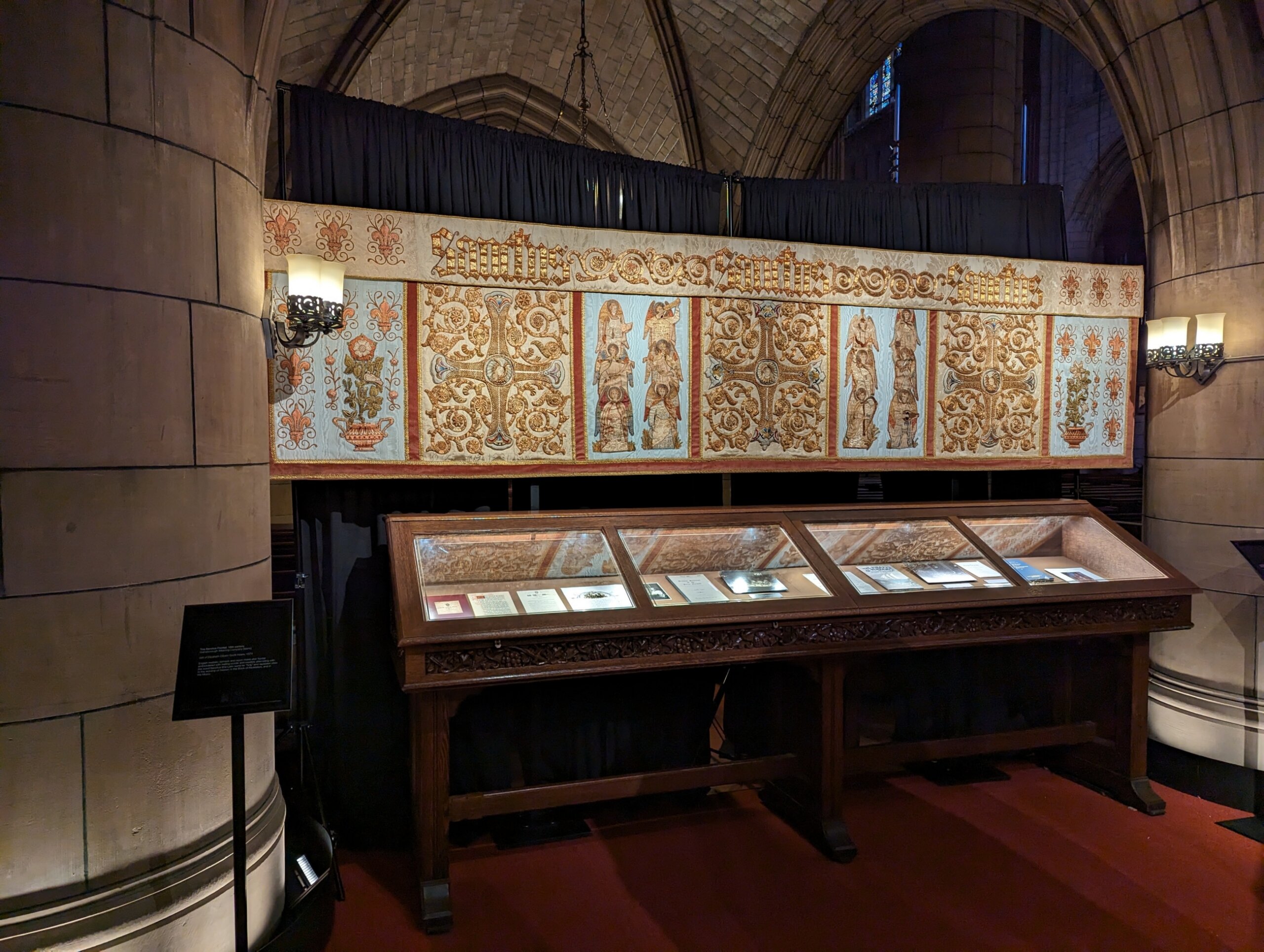
St. Thomas Bicentennial Exhibit: New York, NY – Photography: Provided Courtesy of St. Thomas Church
“We had to balance the aesthetic of the actual fixtures with the aesthetic both of the church itself and with the lighting scheme in place for general use,” explains Sarah.
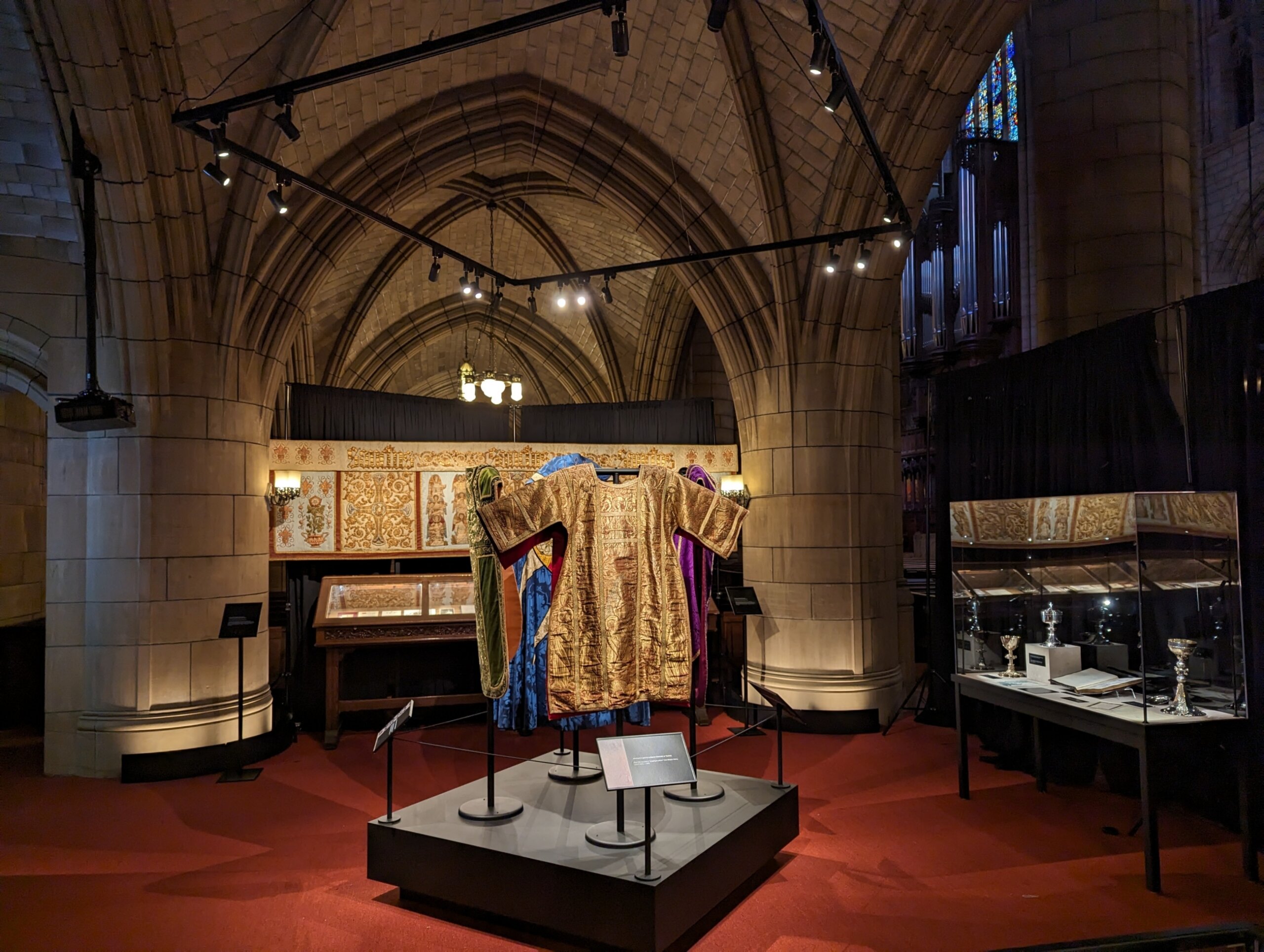
St. Thomas Bicentennial Exhibit: New York, NY – Photography: Provided Courtesy of St. Thomas Church
Flexible track lighting allows curators to adjust illumination as displays evolve, while uplighting at the columns subtly defines the exhibit zone within the larger sanctuary. Adjustable fixtures integrated into both new and existing casework provide precise beam control, zoom capability, and adaptable mounting options to highlight individual artifacts. The result is an immersive experience that invites visitors to explore the parish’s history while maintaining respect for the church’s architectural and spiritual significance.
Across each of these projects, a consistent philosophy emerges. Lighting historic architecture is not about adding more light, but about adding it thoughtfully. Each building presents its own constraints and opportunities, requiring designers to study the architecture carefully and understand its story. Through technical precision, restraint, and collaboration, lighting becomes a tool for revealing history, supporting modern use while allowing the architecture itself to remain the focal point.


